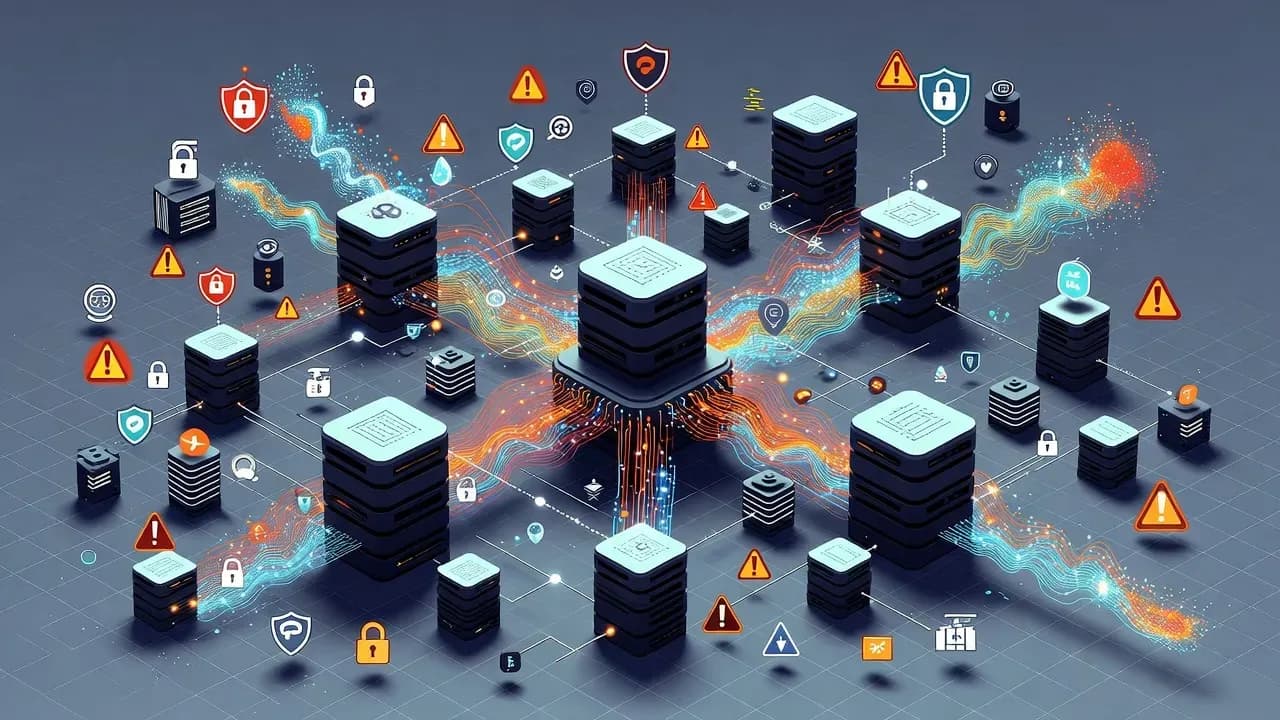
ESA cyberattack: 200 GB of data claimed stolen
Excerpt: A threat actor claims to have stolen approximately 200 GB of data from the European Space Agency (ESA) following a cyberattack. Initial analysis suggests the incident may involve ransomware families known to target high-profile organizations. This article outlines what is known about the attack, the type of data exposed, the potential impact, and guidance for defenders and stakeholders in similar environments.

Introduction
In late December 2025, the European Space Agency (ESA) confirmed that a cybersecurity incident affected some of its IT systems, and a threat actor publicly claimed responsibility, saying it had exfiltrated around 200 gigabytes of data. The alleged breach has drawn attention due to the agency’s role in space exploration and research, and concerns about the potential exposure of sensitive operational documents. As of this writing, ESA security teams are investigating the incident, engaging third-party forensic analysts, and coordinating with national cyber authorities to assess the scope and recommend containment actions.
What happened
Officials and independent reporting indicate the following:
- A threat actor posted online that it had gained access to ESA infrastructure and exfiltrated ~200 GB of data. The authenticity of the stolen dataset is currently being validated.
- The incident surfaced publicly on [DATE], when the claim appeared on a cybercrime forum.
- ESA issued a brief security notification acknowledging an ongoing investigation but did not provide detailed technical indicators.
- No widespread operational impact (such as satellite control disruption) has been publicly confirmed by ESA, and there is no evidence yet of a ransomware payload being executed on mission-critical systems.
Reportedly involved elements include:
- Claimed data exfiltration of corporate and research files
- Possible ransomware-related infrastructure use (based on format of claim postings and threat actor TTPs)
This incident is under active investigation by ESA and collaborating national CERT agencies.
Technical details
At present, there is no publicly verified technical breakdown of how the incident occurred. However, analysis of the threat actor’s communications suggests:
- The dataset was likely copied from enterprise storage systems accessible after initial access.
- There are no confirmed CVE references tied to the intrusion vector as of publication.
- The posting structure resembles other ransomware-associated leaks, though ESA has not formally linked the incident to a specific malware family.
Without direct forensic findings released by ESA or a coordinating agency, technical details such as vulnerability exploited, initial access vector, and lateral movement techniques remain subject to ongoing review.
Who is affected and why it matters
The European Space Agency is an intergovernmental organization focused on space science, Earth observation, satellite navigation, and interagency research. A breach of its systems could have multiple implications:
- Research and development data: Scientific datasets, engineering documents, and proprietary research may be exposed.
- Collaborative projects: ESA works with numerous international partners; leaked information may affect joint programs and contractual operations.
- Supply chain partners: Exposure of credentials, access keys, or configuration files may create secondary risks if reused across other environments.
Although there is no public evidence of compromised satellite operations or space vehicle control systems, the potential for sensitive internal documentation to be exposed could present strategic risk for partners and stakeholders.
Active exploitation and threat actors
As of now, there is no public confirmation of active exploitation following the claim of data exfiltration. The threat actor has not been definitively tied to a known ransomware family by ESA or independent incident responders.
That said:
- The manner in which the dataset was advertised online resembles ransomware leak site behavior used to pressure organizations into negotiation.
- No confirmed list of affected files has been independently published, and ESA has not responded with technical indicators of compromise (IOCs).
Without verified attribution or forensic evidence, any linkage to specific threat actors remains unconfirmed.
Recommended mitigations and workarounds
For organizations of similar profile (research, intergovernmental, critical infrastructure):
Immediate steps
- Isolate impacted systems until forensic analysis determines scope.
- Reset credentials and secrets that may have been exposed during the intrusion.
- Engage incident response specialists to preserve evidence and monitor for secondary access.
Network hardening
- Apply network segmentation to minimize lateral movement.
- Use zero-trust access controls and multifactor authentication (MFA) for all remote access systems.
- Employ endpoint detection and response (EDR) solutions to detect anomalous file transfer or lateral movement.
Ongoing monitoring
- Implement SIEM/UEBA monitoring to detect suspicious access patterns.
- Subscribe to threat intelligence feeds for similar campaign indicators.
- Conduct regular purple team exercises to validate detection capabilities.
Vendor and security community response
As of publication:
- ESA’s official statement acknowledged that an investigation is underway, but did not provide technical details or timelines for remediation.
- Cybersecurity researchers and independent analysts have noted the incident’s similarities with ransomware-linked data leak behavior seen in other high-profile breaches.
- No official advisories from national CERTs have yet been released, though coordination between European cybersecurity authorities and ESA is expected given the organizational profile.
Why this incident matters
The alleged breach of ESA underscores a persistent trend: even organizations with mature security postures and mission-critical roles can be targeted for data theft and extortion. Research agencies often hold sensitive intellectual property and partner information, making them high-value targets for financially motivated threat actors. The absence of confirmed operational disruption does not diminish the risk posed by leaked corporate data, which can include internal communications, strategic roadmaps, network maps, and collaborator information.
Conclusion
The European Space Agency is responding to a cybersecurity incident alleged to involve the exfiltration of approximately 200 GB of data. While details about the intrusion vector and threat actor remain unconfirmed, the incident highlights ongoing risks for research and space agencies. Organizations with similar profiles should evaluate their incident response readiness, internal monitoring, and access controls to reduce the likelihood of data theft and to detect potential misuse of exposed information swiftly.
Frequently Asked Questions
ESA acknowledged a cybersecurity incident under investigation but has not confirmed all details publicly.
Related Incidents
View All Critical
ShadowLeak and ZombieAgent: Critical ChatGPT Flaws Enable Zero-Click Data Exfiltration from Gmail, Outlook, and GitHub
Security researchers have disclosed critical vulnerabilities in ChatGPT that allowed attackers to silently exfiltrate se...
 High
HighMicrosoft Enforces Mandatory MFA for Microsoft 365 Admin Center as Credential Attacks Surge
Microsoft is now actively enforcing mandatory multi-factor authentication for all accounts accessing the Microsoft 365 A...
 Medium
Cisco ISE XXE Vulnerability Exposes Sensitive Files to Authenticated Attackers After Public PoC Release
Cisco has patched a medium-severity XML External Entity (XXE) vulnerability in Identity Services Engine that allows auth...
Comments
Want to join the discussion?
Create an account to unlock exclusive member content, save your favorite articles, and join our community of IT professionals.
New here? Create a free account to get started.