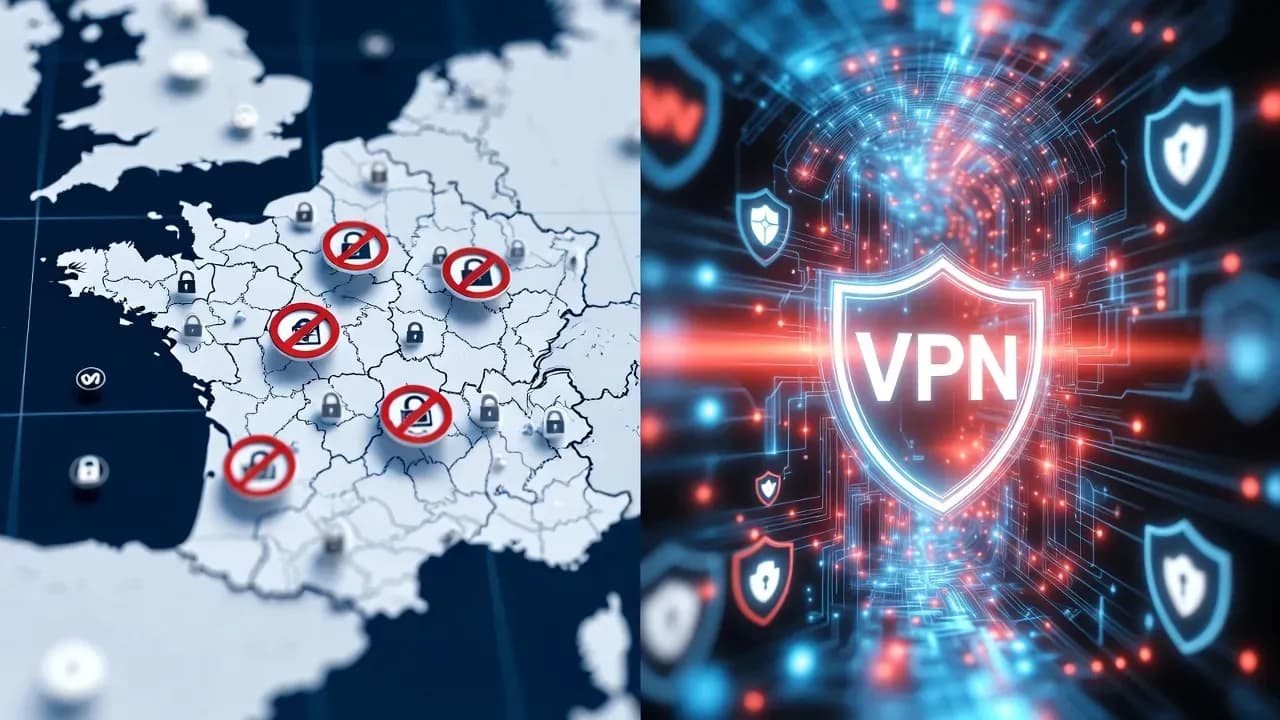
French Internet Censorship Spurs VPN Adoption, Raising Cybersecurity and Privacy Concerns
As French authorities expand internet filtering to block adult content, many users turn to VPNs, reshaping privacy debates and prompting cybersecurity implications for citizens, ISPs, and enterprises.

Introduction
In late 2025, French authorities stepped up enforcement of new internet censorship policies designed to block access to certain categories of adult websites. While the intent is to reduce exposure to harmful content, the approach has triggered a widespread surge in virtual private network (VPN) usage among French internet users - raising complex cybersecurity, privacy, and regulatory implications.
This article examines how content filtering has shaped user behavior, the cybersecurity considerations of VPN proliferation, and what both individuals and organizations need to understand in this evolving digital landscape.
Internet filtering in France
France’s regulatory framework has increasingly emphasized protections for minors, digital public safety, and online decency standards. Among these measures, mandated blocking of specific adult content domains represents a notable extension of content control.
Internet Service Providers (ISPs) have been instructed to implement DNS or IP-level filtering to prevent access to these sites without court orders or opt-in controls. While the policy has support among certain demographic groups, civil liberties advocates and technologists argue that the deployment risks broader implications for internet freedom.
The rise of VPN usage
As filtering took effect, many French users - from youth to tech professionals - began turning to VPN services to circumvent the blocks. VPNs encrypt network traffic and route it through external gateways, allowing users to appear as if they originate in another jurisdiction.
Data from VPN providers and internet traffic analysis firms suggest an uptick in VPN adoption ranging from 35% to 50% since the filtering announcement. While commercial VPN usage has always been robust in Europe, these recent figures underscore how regulatory actions can drive privacy-enhancing technology adoption among mainstream audiences.
Cybersecurity Implications of VPN Escalation
While VPNs empower individuals to regain access to blocked resources, their rapid adoption presents multiple cybersecurity considerations:
- False sense of security: VPNs mask IP addresses, but do not inherently secure endpoints or prevent malware.
- Untrusted providers: Free or lesser-known VPN services may log data or inject tracking, undermining privacy.
- Corporate policy conflicts: Enterprise networks often restrict VPN usage to enforce internal security controls; widespread personal VPN use on corporate hardware can complicate compliance.
- Jurisdictional concerns: Routing traffic through foreign servers raises legal and data residency questions.
Cybersecurity teams must balance privacy advocacy with risk mitigation when responding to surges in VPN use.
Technology and Encryption Considerations
The effectiveness of a VPN depends on:
- Strong encryption protocols (e.g., OpenVPN, WireGuard)
- No-log policies verified by audits
- DNS leak protection to prevent inadvertent exposure of requested domains
- Kill switch mechanisms to guard against traffic leaks if connectivity drops
Users and organizations alike must select VPN services that adhere to audited security standards rather than defaulting to free or unknown providers.
Legal and Regulatory Context
France’s approach embodies a broader tension between digital regulation and individual freedoms. While child protection and public decency are legitimate policy goals, content blocking must contend with international human rights frameworks that safeguard freedom of expression and access to information.
The surge in VPN usage is both a reaction and a signal: when access is restricted at the infrastructure level, users often adopt tools that render traditional controls ineffective. This feedback loop complicates enforcement and raises questions about proportionality in cybersecurity policy.
Conclusion
The French push to block certain online content has inadvertently accelerated the adoption of privacy-oriented technologies. While VPN usage offers a means for users to reclaim digital autonomy, it also surfaces cybersecurity trade-offs that individuals and organizations must navigate carefully.
Ultimately, the phenomenon illustrates a fundamental truth of internet governance: when infrastructure is used to constrain access, technologists will innovate around those constraints - for better or worse. The key challenge now lies in harmonizing privacy, security, and regulatory mandates in a balanced and informed manner.
Related Incidents
View All Critical
ShadowLeak and ZombieAgent: Critical ChatGPT Flaws Enable Zero-Click Data Exfiltration from Gmail, Outlook, and GitHub
Security researchers have disclosed critical vulnerabilities in ChatGPT that allowed attackers to silently exfiltrate se...
 High
HighMicrosoft Enforces Mandatory MFA for Microsoft 365 Admin Center as Credential Attacks Surge
Microsoft is now actively enforcing mandatory multi-factor authentication for all accounts accessing the Microsoft 365 A...
 Medium
Cisco ISE XXE Vulnerability Exposes Sensitive Files to Authenticated Attackers After Public PoC Release
Cisco has patched a medium-severity XML External Entity (XXE) vulnerability in Identity Services Engine that allows auth...
Comments
Want to join the discussion?
Create an account to unlock exclusive member content, save your favorite articles, and join our community of IT professionals.
New here? Create a free account to get started.