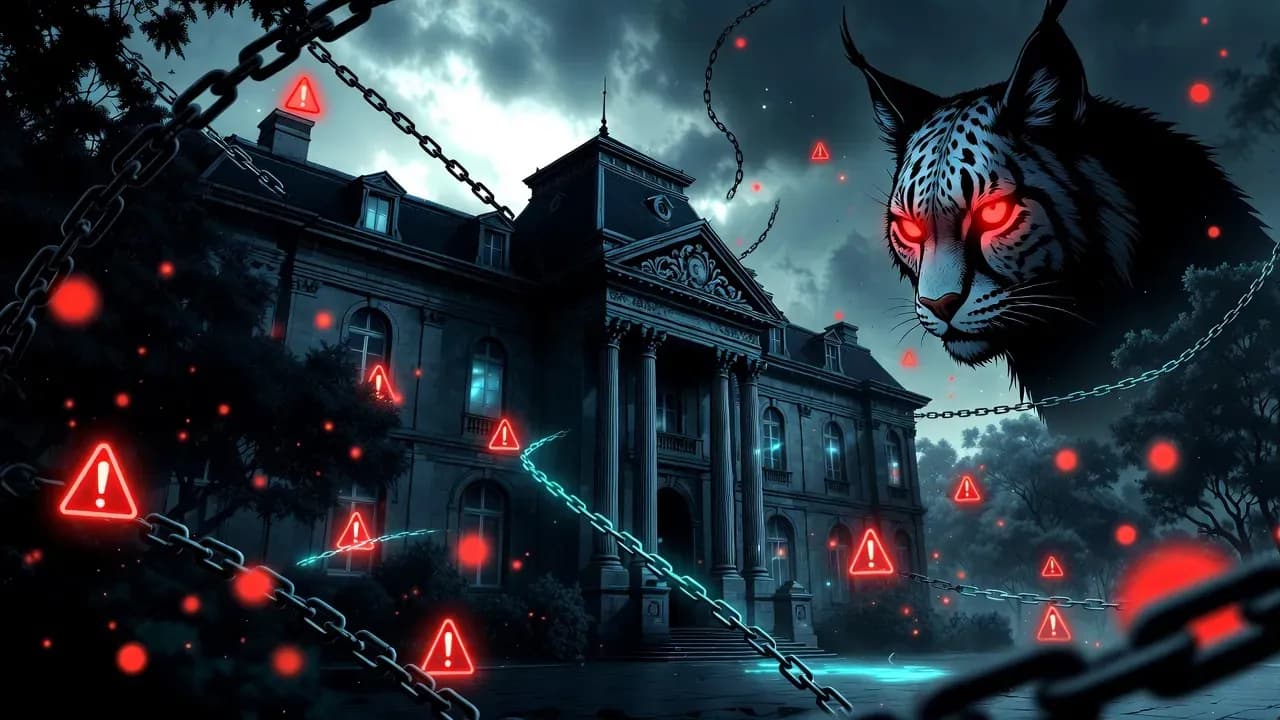
Lynx Ransomware Group Claims Attack on French City of Dunkirk
The City of Dunkirk - historic home of the famous WWII evacuation and legendary privateer Jean Bart - has become the latest victim of the Lynx ransomware group. The attack highlights the growing threat ransomware poses to French municipalities, which often lack the cybersecurity resources of private enterprises.

The Lynx ransomware group has claimed responsibility for an attack on the City of Dunkirk (Ville de Dunkerque), according to a posting on the gang's dark web leak site discovered on January 5, 2026. The French port city, famous for the historic 1940 evacuation during World War II, now faces the prospect of sensitive municipal data being exposed if ransom demands are not met.
Dunkirk is home to approximately 88,000 residents and serves as a major economic hub in the Hauts-de-France region. The municipality manages extensive public services including youth programs, senior care, disability services, and local business development initiatives - all of which could be impacted by the breach.
What We Know So Far
The attack was first identified through Lynx's Tor-based leak site, where the group posted details about the city's operations and services. While specific ransom demands have not been publicly confirmed, Lynx typically employs double extortion tactics: encrypting systems while threatening to publish stolen data if payment is refused.
The timing of the leak posting - January 5, 2026 - suggests the attack likely occurred in late December 2025 or early January 2026, though the exact date of initial compromise remains unclear. Municipal authorities have not yet issued an official statement regarding the incident.
This attack comes amid a wave of Lynx activity. On the same day, the group also claimed attacks on Hartford, a French fashion retailer, demonstrating the gang's continued aggressive expansion across multiple sectors.
Who is the Lynx Ransomware Group?
Lynx emerged in mid-2024 and has rapidly established itself as one of the most active ransomware operations. Security researchers have identified strong code similarities with the earlier INC ransomware, suggesting Lynx developers either purchased or repurposed INC's source code when it was allegedly sold on underground forums in May 2024.
Operating as a Ransomware-as-a-Service (RaaS) platform, Lynx provides affiliates with encryption tools, leak site access, and operational support. The group has demonstrated sophisticated tradecraft, including:
- Double extortion combining encryption with data theft
- Ability to target both Windows and Linux/ESXi environments
- Automated printing of ransom notes to connected printers
- Deletion of shadow copies and backup partitions to prevent recovery
By August 2025, Lynx had accumulated nearly 300 confirmed victims. As of January 2026, that number has grown to approximately 377 known victims across 16 countries.
The French Public Sector Under Siege
Dunkirk is not an isolated case. French municipalities and public institutions have faced increasing ransomware pressure in recent years. The combination of limited cybersecurity budgets, legacy IT infrastructure, and vast amounts of citizen data makes them attractive targets.
Notable previous attacks on French public entities include hospitals, regional governments, and educational institutions. The ANSSI (France's national cybersecurity agency) has repeatedly warned about the vulnerability of local government IT systems.
What makes this attack particularly concerning is Lynx's stated policy of avoiding "governments, healthcare, and non-profits" - a claim that appears inconsistent with targeting a municipal government responsible for public services.
The Paradox of "Ethical" Ransomware
Lynx publicly claims to maintain ethical boundaries, stating it does not target healthcare facilities, government entities, or charitable organizations. This positioning is common among ransomware groups seeking to present themselves as "professional" criminal enterprises rather than indiscriminate threat actors.
However, the attack on Dunkirk - a public sector entity providing essential services to residents - directly contradicts these claims. This discrepancy highlights a pattern seen across the ransomware ecosystem: stated policies rarely constrain actual targeting behavior when profitable opportunities emerge.
Security researchers note that RaaS affiliate models complicate enforcement of such policies. Even if Lynx's core operators prefer certain targets, affiliates operating under the brand may pursue any victim they can successfully compromise.
Implications for French Municipalities
The Dunkirk attack should serve as a wake-up call for French local governments. Key concerns include:
Data exposure risk: Municipal databases contain extensive personal information about residents - birth records, tax data, social services files, and more. A leak could have severe privacy implications for thousands of citizens.
Service disruption: If systems remain encrypted, essential services could be impacted. Permit processing, social welfare programs, and administrative functions may face delays.
Recovery costs: Even without paying ransom, incident response, system restoration, and security improvements typically cost municipalities hundreds of thousands of euros - money often not budgeted for such emergencies.
Regulatory scrutiny: Under GDPR, public entities must report data breaches involving personal information. Significant fines could follow if the municipality is found to have had inadequate security measures.
Recommendations for Public Sector Organizations
Organizations concerned about Lynx and similar threats should prioritize:
-
Offline, immutable backups: Lynx specifically targets backup systems. Air-gapped or immutable backups are essential for recovery without payment.
-
Network segmentation: Isolate critical systems to prevent lateral movement if initial compromise occurs.
-
Credential hygiene: Lynx affiliates frequently use stolen credentials purchased on dark web markets. Enforce MFA and monitor for credential exposure.
-
Email security: Phishing remains a primary initial access vector. Advanced email filtering and user awareness training are critical.
-
Incident response planning: Have a tested plan before an attack occurs. Know who to contact, what systems to isolate, and how to communicate with stakeholders.
What Happens Next
The situation in Dunkirk will likely evolve over the coming days and weeks. Typical ransomware timelines include:
- Initial posting: Public pressure begins (current stage)
- Negotiation window: Victims often have 7-14 days to engage before data publication
- Partial leak: Some groups release sample data to prove possession
- Full publication: If no payment, all stolen data is typically published
Whether Dunkirk will pay, negotiate, or refuse remains to be seen. French government policy generally discourages ransom payments, but individual municipalities sometimes make different calculations when facing service disruption and data exposure.
We will continue monitoring this situation and provide updates as more information becomes available.
Frequently Asked Questions
Lynx is a Ransomware-as-a-Service (RaaS) operation that emerged in mid-2024. It evolved from or acquired code from the earlier INC ransomware and has since accumulated nearly 400 victims worldwide, primarily in the United States. The group uses double extortion tactics - encrypting data while threatening to leak stolen information.
Municipal databases typically contain extensive citizen information including personal identification data, tax records, social services files, permit applications, and administrative correspondence. The exact scope of data accessed in this incident has not been confirmed.
Lynx claims to have ethical guidelines avoiding these sectors, but the attack on Dunkirk - a municipal government - contradicts this policy. Such claims are common among ransomware groups but rarely constrain actual targeting behavior.
French authorities and most cybersecurity experts discourage ransom payments. Payment funds criminal operations, doesn't guarantee data recovery or deletion, and may invite future targeting. However, each organization must assess its specific situation, including service continuity needs and data sensitivity.
France consistently ranks among the top European countries for ransomware incidents. The ANSSI handles hundreds of significant cybersecurity incidents annually, with local governments, healthcare, and SMBs among the most frequently targeted sectors.


Comments
Want to join the discussion?
Create an account to unlock exclusive member content, save your favorite articles, and join our community of IT professionals.
New here? Create a free account to get started.