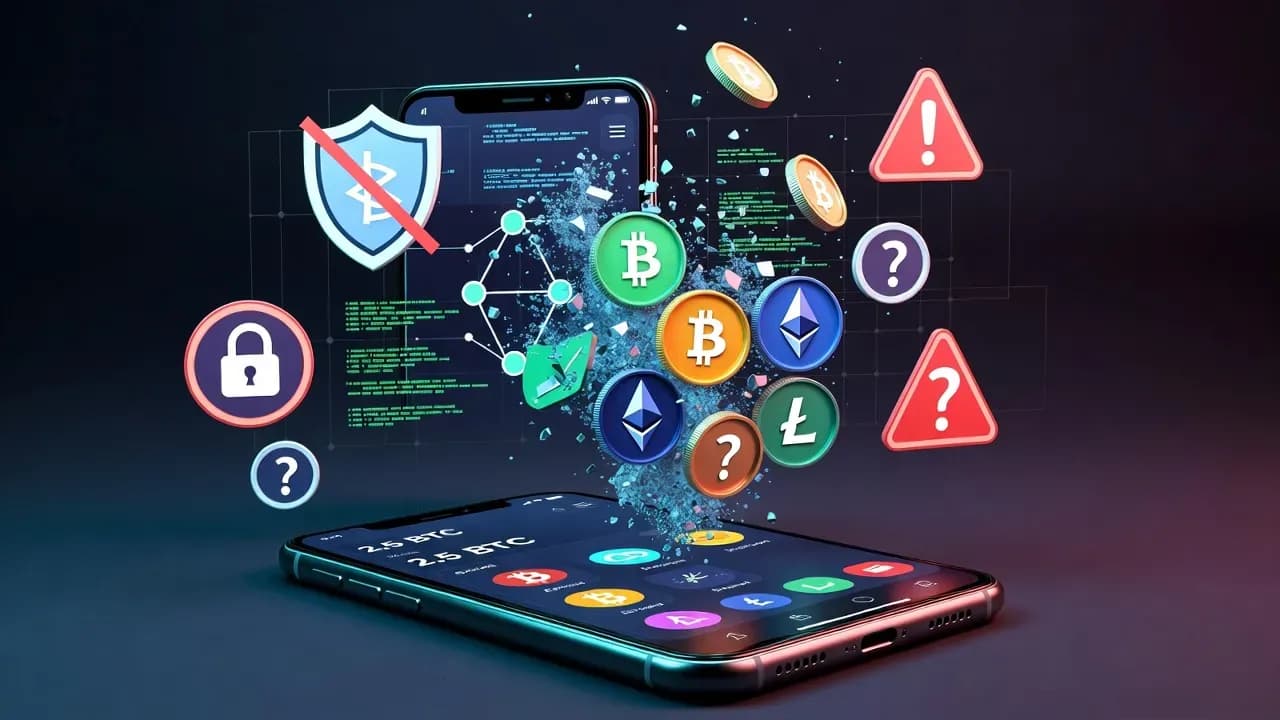
Trust Wallet Users Hit by $7M Crypto Theft Across 2,596 Wallets
Trust Wallet has confirmed a large-scale crypto theft campaign that drained 2,596 wallets, stealing an estimated $7 million in user assets. The attacker exploited a previously unknown vulnerability. Security researchers and Trust Wallet are urging users to rotate wallets and recovery phrases. Here's what we know so far and how users can secure their funds.

Introduction
On December 27, 2025, Trust Wallet publicly confirmed that a targeted attack had compromised 2,596 user wallets, resulting in the theft of approximately $7 million in cryptocurrency. The incident, which appears to have exploited a previously unidentified vulnerability, has triggered urgent warnings across the crypto community. Affected users span multiple regions, and Trust Wallet is advising immediate migration to new wallets and recovery phrase updates.
What happened
The attack was uncovered during a collaborative investigation between Trust Wallet and independent blockchain security firm Blockaid. A cluster of wallet addresses was flagged after observing consistent patterns of unauthorized transactions.
- December 11, 2025: Initial suspicious activity observed by community users
- December 18 - 23: Blockchain forensics traced affected wallets and confirmed $7M in unauthorized transfers
- December 27: Trust Wallet disclosed findings and advised urgent action
- Attack vector: Believed to be a combination of social engineering and private key compromise (investigation ongoing)
Who is affected and why it matters
The attack impacts users of self-custodied Trust Wallet addresses who may have reused recovery phrases or stored them insecurely. While the wallet app itself was not directly breached, the incident exposes how third-party compromises and phishing schemes can still drain funds even from decentralized wallets.
Any user with a Trust Wallet created before November 2023 who hasn’t updated their recovery seed or migrated funds is at heightened risk. As of publication, the stolen tokens include ETH, BNB, stablecoins (USDT/USDC), and select DeFi assets.
Active exploitation and threat actors
The attacker remains unidentified, but blockchain analysis shows a high degree of automation across transactions and fund obfuscation. Funds were routed through privacy-preserving services and decentralized exchanges to avoid detection.
- Confirmed exploitation period: Q4 2025
- Threat actor attribution: Unknown; no ransom or claims issued
- Funds laundering: Mixers and DEX-to-DEX swaps
- Wallet behavior: Parallel withdrawals from geographically unlinked IP addresses
Recommended mitigations and workarounds
Trust Wallet has issued the following critical guidance:
- Migrate funds to a new wallet with a new recovery phrase immediately
- Do not reuse old seed phrases, even if no funds have been stolen
- Avoid storing seed phrases in cloud storage or on internet-connected devices
- Monitor past wallet addresses for any suspicious activity
- Report any losses through Trust Wallet’s support portal and submit forensics data to assist in the ongoing investigation
Security researchers recommend using hardware wallets or multi-sig setups for high-value holdings, and enabling anti-phishing browser extensions and address monitoring services.
Vendor and security community response
Trust Wallet has not disclosed the full technical details but continues to coordinate with Blockaid and other Web3 security providers. The firm has ruled out any vulnerability in the mobile application code or backend infrastructure, suggesting the breach likely stems from user-side key exposure.
- Public disclosure: December 27, 2025
- Response teams involved: Trust Wallet security, Blockaid, external crypto investigators
- Tools deployed: On-chain forensics, smart contract telemetry, address flagging
Conclusion
While the breach did not originate from Trust Wallet's software, the scale of compromised user assets highlights the fragile nature of crypto security. Trust Wallet users should migrate funds to fresh wallets, retire old recovery phrases, and adopt enhanced self-custody hygiene. Additional updates are expected as the investigation develops.
Frequently Asked Questions
No. Trust Wallet’s infrastructure and app code were not breached. The attack exploited user-side vulnerabilities.
Migrate to a new wallet with a fresh seed phrase, store it offline, and avoid reusing keys or storing them digitally.
No reimbursement has been announced. Users are urged to secure assets and report incidents for tracking.
Related Incidents
View All Critical
ShadowLeak and ZombieAgent: Critical ChatGPT Flaws Enable Zero-Click Data Exfiltration from Gmail, Outlook, and GitHub
Security researchers have disclosed critical vulnerabilities in ChatGPT that allowed attackers to silently exfiltrate se...
 High
HighMicrosoft Enforces Mandatory MFA for Microsoft 365 Admin Center as Credential Attacks Surge
Microsoft is now actively enforcing mandatory multi-factor authentication for all accounts accessing the Microsoft 365 A...
 Medium
Cisco ISE XXE Vulnerability Exposes Sensitive Files to Authenticated Attackers After Public PoC Release
Cisco has patched a medium-severity XML External Entity (XXE) vulnerability in Identity Services Engine that allows auth...
Comments
Want to join the discussion?
Create an account to unlock exclusive member content, save your favorite articles, and join our community of IT professionals.
New here? Create a free account to get started.