RIP MDT: Microsoft Quietly Kills Its Free Windows Deployment Toolkit
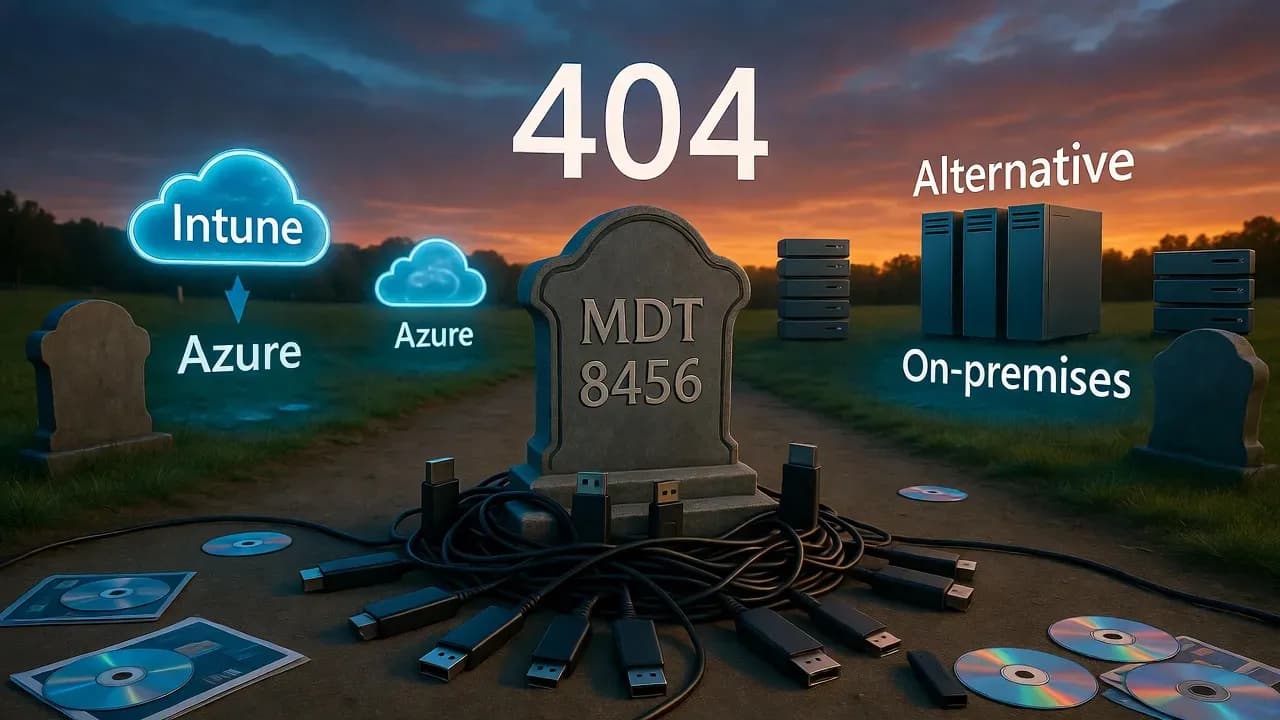
After nearly 20 years, Microsoft has silently discontinued the Microsoft Deployment Toolkit (MDT), removing downloads and documentation without announcement. IT admins are directed to paid cloud alternatives.

The enterprise IT world received an unwelcome surprise this week when Microsoft silently killed off its beloved Microsoft Deployment Toolkit (MDT). The free deployment solution that served system administrators for almost 20 years has been removed from Microsoft's download servers, with its documentation pages either deleted or redirecting to Intune guides.
A Silent Farewell
Unlike typical Microsoft end-of-life announcements - which usually come with years of advance notice - MDT's discontinuation happened without any formal communication. IT professionals discovered the change when attempting to download the toolkit, only to find broken links and missing documentation.
The timing feels particularly abrupt given that MDT received an update as recently as 2023, adding Windows 11 support. Microsoft's December 2024 Windows Server lifecycle documentation still referenced MDT as a supported deployment tool, making this sudden removal all the more jarring.
Estimated Impact Hundreds of thousands of organizations worldwide have built their Windows deployment infrastructure around MDT, particularly in education, government, and enterprises with limited cloud budgets.
What Made MDT Irreplaceable
For many IT departments, MDT represented the gold standard for on-premises Windows deployment. The toolkit allowed administrators to:
- Create customized Windows images with pre-installed applications
- Automate complex deployment sequences with task sequences
- Deploy Windows over the network without touching individual machines
- Maintain complete control over the deployment process without cloud dependencies
The integration with Windows Deployment Services (WDS) made MDT particularly powerful for large-scale rollouts. An organization could image hundreds of machines overnight with minimal manual intervention.
Microsoft's Cloud-First Push
This move aligns with Microsoft's aggressive push toward cloud-based management solutions. The company has been positioning Intune and Autopilot as the future of Windows deployment, though these tools serve different use cases than MDT.
Autopilot excels at provisioning new devices with a user-driven, cloud-based approach. However, it struggles with scenarios MDT handled effortlessly - namely, wiping and redeploying existing hardware or creating highly customized images for specialized workloads.
Community Response
The IT community's reaction has been predictably frustrated. Forums and social media are filled with administrators scrambling to archive their MDT installations and share preserved copies of the documentation.
Some are pointing to third-party alternatives like OSDCloud, SmartDeploy, or PDQ Deploy. Others are exploring ways to continue using MDT with existing installations, though the lack of future Windows support poses long-term concerns.
What This Means for Your Organization
If your deployment workflow depends on MDT, immediate action isn't required - existing installations will continue functioning. However, planning for the future is now essential.
Organizations should:
- Archive current MDT installations and documentation
- Evaluate whether Intune/Autopilot can meet deployment requirements
- Research third-party on-premises deployment alternatives
- Budget for potential licensing costs if moving to Microsoft cloud solutions

Comments
Want to join the discussion?
Create an account to unlock exclusive member content, save your favorite articles, and join our community of IT professionals.
New here? Create a free account to get started.