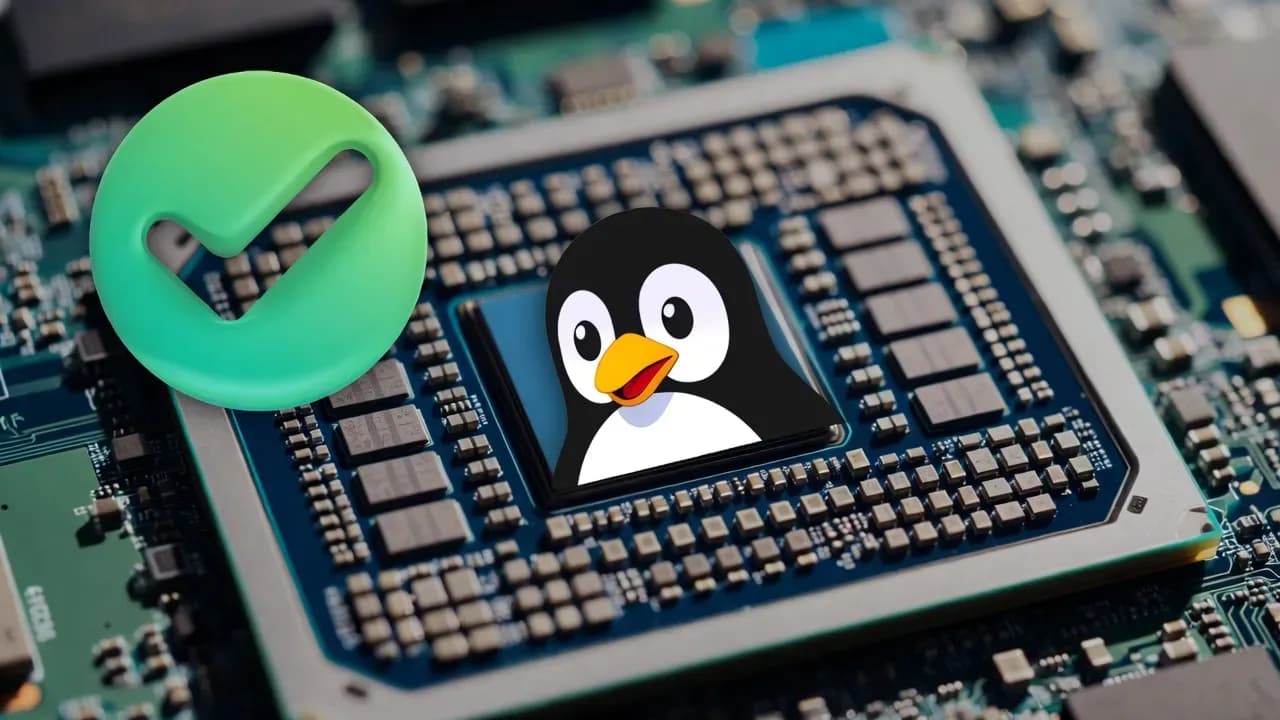
NVIDIA Updates Legacy Pascal Drivers for Linux: Extended Support and Optimizations
NVIDIA has released updated legacy drivers (565 → 590 series) for Pascal-based GPUs on Linux, extending support, enhancing stability, and addressing key issues for professional and enthusiast users relying on older hardware. Discover the update scope, performance implications, compatibility notes, and recommended actions for Linux systems.

Introduction
NVIDIA has quietly expanded support for legacy Pascal-based graphics cards on Linux by issuing updated driver packages transitioning from the older 565 series to a refreshed 590 branch. While Pascal architecture (famously exemplified by the GTX 10-series) is no longer in NVIDIA’s mainstream support cycle, this update addresses stability, compatibility, and security concerns that have been flagged by Linux users and distributions over recent releases.
This development reflects NVIDIA’s ongoing commitment to supporting long-lived hardware in open-source ecosystems where extended driver support remains critical for professional workloads, creative environments, and enthusiast setups.
Introduction
NVIDIA has quietly expanded support for legacy Pascal-based graphics cards on Linux by issuing updated driver packages transitioning from the older 565 series to a refreshed 590 branch. While Pascal architecture (famously exemplified by the GTX 10-series) is no longer in NVIDIA’s mainstream support cycle, this update addresses stability, compatibility, and security concerns that have been flagged by Linux users and distributions over recent releases.
This development reflects NVIDIA’s ongoing commitment to supporting long-lived hardware in open-source ecosystems where extended driver support remains critical for professional workloads, creative environments, and enthusiast setups.
Why Legacy Support Matters on Linux
Unlike Windows, where driver support is tightly controlled and frequently updates roll out automatically, Linux graphics drivers operate within a diverse ecosystem of kernels, compositors, and userland toolchains.
For legacy hardware, especially cards no longer covered by NVIDIA’s primary 470/515 driver lines, the ability to receive updated drivers can mean the difference between:
- A fully functional desktop experience
- Broken compositing environments
- Incompatibilities with new Wayland sessions
- Regression in performance or application support
This is especially relevant for:
- Software developers depending on GPU acceleration under Linux
- Content creators on older rigs
- Long-term enterprise deployments where hardware refresh cycles are extended
Compatibility and Installation Notes
To leverage the updated legacy driver on your Linux system, administrators should verify:
- The GPU belongs to the Pascal generation (GTX 10xx series).
- Your distribution’s package manager exposes the 590 legacy driver repository.
- The system kernel version is within supported ranges (typically 5.x and newer).
For example, on Arch Linux or derivatives:
sudo pacman -S nvidia-590xx
On Ubuntu and Debian based distributions, the legacy driver may be available via proprietary driver PPAs or backports for specific kernels. Users should consult distribution documentation for exact package names and kernel module build requirements.
Performance and Workload Implications
While not a feature-forward release in the traditional sense, benchmarks and user reports indicate:
- Reduced driver crashes under heavy Vulkan loads
- Improved GLX/Wayland handoff in mixed-GPU environments
- Stability regressions fixed for X-wayland compatibility
Professionals running GPU-accelerated workloads such as machine learning inference, video encoding, or complex computational tasks under Linux may find this update particularly useful given the long lifecycle of Pascal cards in lab and workstation environments.
Community Response and Adoption
Linux communities - especially on forums like Arch Wiki, Reddit r/linux_gaming, and distro-specific trackers - have largely welcomed the update. Many users report that the 590 legacy branch resolves long-standing graphical anomalies that appeared after kernel upgrades.
That said, given the unofficial or community-maintained nature of some packages, it is important for system administrators to conduct staged rollouts and maintain backups before updating production machines.
Conclusion
The release of the 590 series legacy driver for NVIDIA Pascal GPUs on Linux reaffirms that even older hardware can enjoy extended longevity with proper maintenance and community support.
For IT professionals, Linux workstation users, and power users who depend on Pascal hardware, this update brings both stability and compatibility enhancements that can extend productive use cases without forcing immediate hardware refreshes.
As always, ensure driver updates are tested in staging environments, and consult your distribution’s documentation for the best integration practices.
Comments
Want to join the discussion?
Create an account to unlock exclusive member content, save your favorite articles, and join our community of IT professionals.
New here? Create a free account to get started.