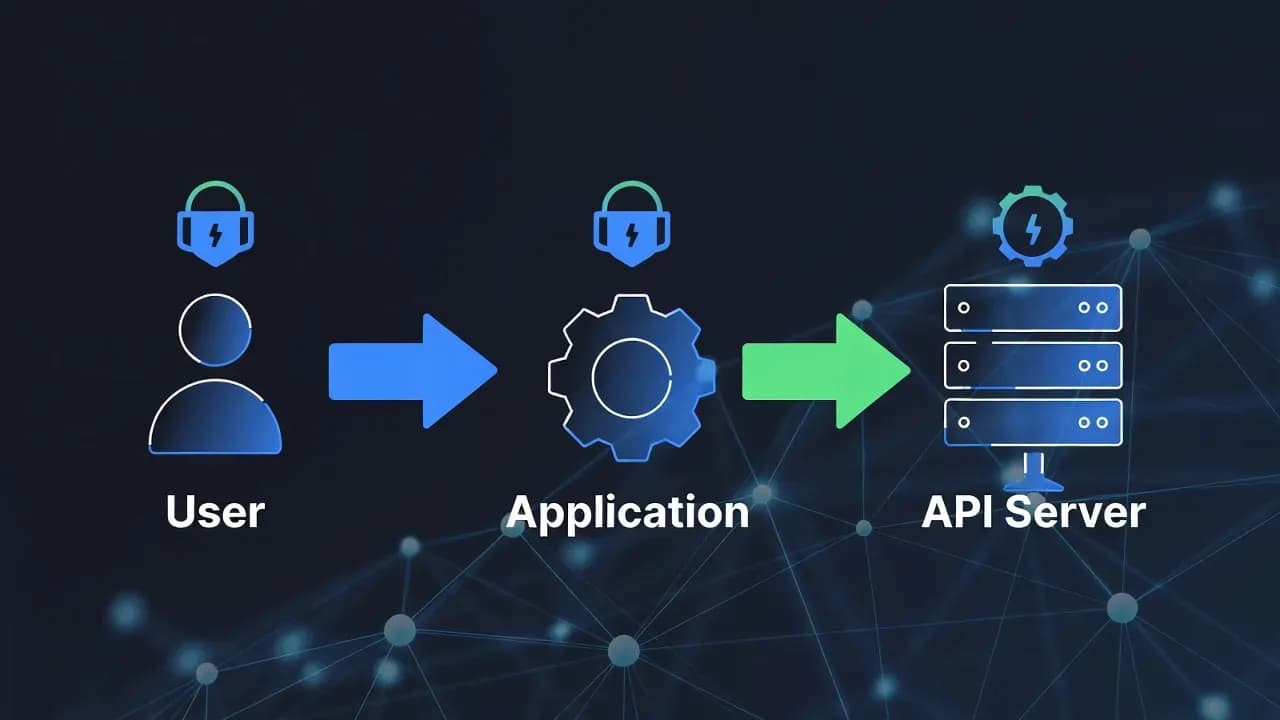
What Is OAuth 2.0 and How It Works
OAuth 2.0 is widely used to secure access between applications, APIs, and users without exposing credentials. Despite its prevalence, the protocol is often misunderstood. This explanation clarifies what OAuth 2.0 is, how authorization flows work, the roles involved, and why OAuth has become a foundational component of modern cloud and identity-based architectures.

What Is OAuth 2.0?
OAuth 2.0 is an authorization framework that allows applications to obtain limited access to user resources without sharing passwords. It enables secure delegated access by issuing time-limited tokens instead of exposing user credentials.
OAuth 2.0 is commonly used to authorize access to APIs, cloud services, and web applications. It underpins many modern identity and access management systems and is a core component of contemporary application security.
Authorization vs Authentication
OAuth 2.0 is often confused with authentication, but the two serve different purposes.
Authentication verifies who a user is. Authorization determines what an application is allowed to access. OAuth 2.0 focuses exclusively on authorization. It allows a user to grant an application permission to access specific resources without revealing login credentials.
Authentication is typically handled by separate protocols or identity layers that may operate alongside OAuth.
Core Roles in OAuth 2.0
OAuth 2.0 defines several roles that interact during the authorization process.
Resource Owner
The resource owner is usually the end user who owns the data or resources being accessed.
Client
The client is the application requesting access to the resource on behalf of the user. This may be a web app, mobile app, or backend service.
Authorization Server
The authorization server issues access tokens after successfully authenticating the user and obtaining authorization. It enforces consent and policy decisions.
Resource Server
The resource server hosts the protected resources, such as APIs or user data. It validates access tokens before granting access.
How OAuth 2.0 Works
OAuth 2.0 operates through a series of steps that result in the issuance of an access token.
First, the client requests authorization from the resource owner. The user is redirected to the authorization server, where consent is requested. Once authorization is granted, the authorization server issues a token to the client.
The client then uses this token to access protected resources. The resource server validates the token and allows access according to the granted scope and permissions.
Common OAuth 2.0 Authorization Flows
OAuth 2.0 defines multiple authorization flows, also known as grant types, designed for different application scenarios.
Authorization Code Flow
This flow is commonly used by server-side web applications. It provides strong security by exchanging an authorization code for an access token through a secure backend channel.
Authorization Code Flow with PKCE
This is an extension of the authorization code flow designed for public clients such as mobile and single-page applications. PKCE reduces the risk of authorization code interception.
Client Credentials Flow
This flow is used for machine-to-machine communication. No user is involved, and the client authenticates directly with the authorization server to obtain an access token.
Implicit Flow (Deprecated)
The implicit flow was designed for browser-based applications but is now discouraged due to security limitations. Modern implementations favor authorization code with PKCE.
OAuth Tokens and Scopes
OAuth 2.0 uses tokens to represent granted access.
Access Tokens
Access tokens allow clients to access protected resources. They are typically short-lived to limit exposure if compromised.
Refresh Tokens
Refresh tokens allow clients to obtain new access tokens without requiring user interaction. They must be stored securely, as their compromise can lead to long-term access.
Scopes
Scopes define the level of access granted to the client. They restrict what resources can be accessed and what actions can be performed.
Security Considerations and Common Risks
OAuth 2.0 is secure when implemented correctly, but misconfigurations can introduce risk. Common issues include overly broad scopes, insecure token storage, missing state validation, and improper redirect URI handling.
OAuth does not protect against phishing by itself. Attackers may still trick users into authorizing malicious applications, making user awareness and application validation important.
Why OAuth 2.0 Matters in Modern IT
OAuth 2.0 enables secure API access, cloud integrations, and delegated authorization at scale. It reduces credential exposure, supports granular access control, and integrates well with modern identity platforms.
As organizations increasingly rely on distributed applications and APIs, understanding OAuth 2.0 is essential for designing secure and scalable authentication and authorization architectures.
Frequently Asked Questions
OAuth 2.0 is used to grant applications limited access to user resources or APIs without sharing user credentials. It relies on access tokens to authorize requests securely.
No. OAuth 2.0 is an authorization framework, not an authentication protocol. It controls what an application can access, not who the user is.
OAuth 2.0 handles authorization, while OpenID Connect adds an identity layer on top of OAuth to provide user authentication and identity information.
An access token is a time-limited credential issued by an authorization server. It allows a client application to access protected resources within defined scopes.
OAuth 2.0 reduces credential exposure by avoiding password sharing, limiting access scope, and using short-lived tokens that can be revoked if compromised.

Comments
Want to join the discussion?
Create an account to unlock exclusive member content, save your favorite articles, and join our community of IT professionals.
New here? Create a free account to get started.