What Is SD-WAN and How It Works
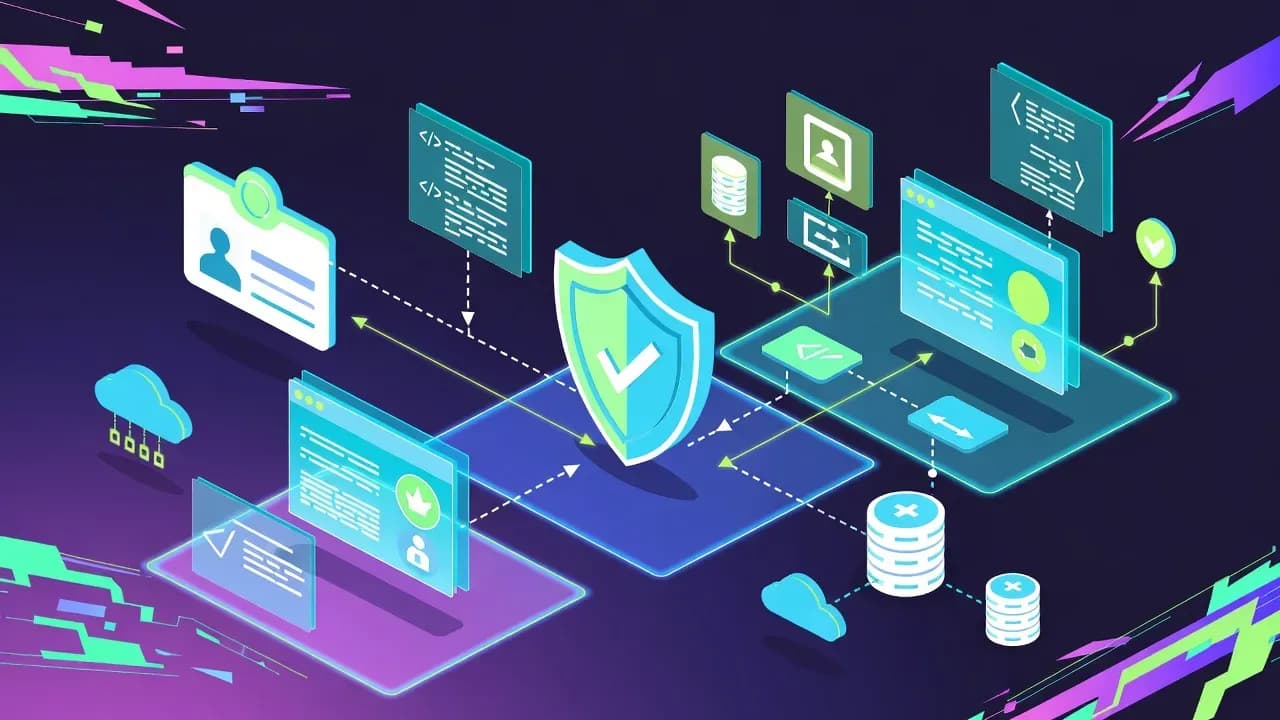
SD-WAN (Software-Defined Wide Area Network) is a modern networking technology that uses software to manage and optimize WAN connectivity across multiple locations. It replaces expensive MPLS circuits with intelligent, application-aware routing over broadband connections, enabling enterprises to securely connect users, applications, and cloud resources.

What Is SD-WAN?
SD-WAN stands for Software-Defined Wide Area Network. It is a networking technology that applies software-defined networking (SDN) principles to manage wide area network connections.
Traditional WANs rely on dedicated hardware and expensive MPLS (Multiprotocol Label Switching) circuits to connect branch offices to data centers. SD-WAN abstracts this underlying infrastructure, allowing organizations to:
- Use multiple connection types (MPLS, broadband, LTE/5G)
- Route traffic dynamically based on real-time conditions
- Manage the entire network from a centralized controller
- Reduce costs while improving performance
By early 2025, over 70% of enterprise workloads had migrated outside traditional data centers to cloud environments, making SD-WAN essential for modern network architectures.
How SD-WAN Works
SD-WAN separates the network's control plane from the data plane, enabling centralized management and intelligent traffic routing.
Key Components
| Component | Function |
|---|---|
| SD-WAN Edge | Hardware or virtual appliance at each location that handles traffic forwarding |
| SD-WAN Controller | Centralized management platform that defines policies and monitors the network |
| SD-WAN Orchestrator | Cloud-based or on-premises system for provisioning, configuration, and analytics |
Traffic Routing Process
- Application Identification: SD-WAN identifies applications through deep packet inspection
- Path Selection: The controller evaluates available paths (MPLS, broadband, LTE) based on latency, jitter, and packet loss
- Policy Application: Traffic is routed according to predefined business policies
- Dynamic Optimization: Routes adjust automatically as network conditions change
SD-WAN vs Traditional WAN
| Feature | Traditional WAN | SD-WAN |
|---|---|---|
| Primary Transport | MPLS | Multiple (MPLS, broadband, LTE) |
| Routing | Static, hardware-based | Dynamic, software-defined |
| Cloud Connectivity | Backhauled through data center | Direct cloud access |
| Management | Device-by-device | Centralized controller |
| Provisioning | Manual, time-consuming | Zero-touch, automated |
| Cost | High (MPLS circuits) | Lower (commodity broadband) |
| Visibility | Limited | Application-aware analytics |
Why Organizations Switch to SD-WAN
Traditional WANs were designed when applications lived in data centers. Today's reality is different:
- Cloud-first strategies require direct internet access
- SaaS applications (Microsoft 365, Salesforce) perform poorly when backhauled
- Remote work demands secure connectivity from anywhere
- Cost pressures make expensive MPLS circuits unsustainable
Key Benefits of SD-WAN
1. Cost Reduction
SD-WAN can reduce WAN costs by 50-90% by supplementing or replacing expensive MPLS circuits with broadband connections. Organizations maintain performance while significantly lowering monthly expenses.
2. Improved Application Performance
Application-aware routing ensures business-critical applications receive priority bandwidth and optimal paths. Real-time traffic steering responds to network degradation within milliseconds.
3. Enhanced Security
Modern SD-WAN solutions integrate security features:
- End-to-end encryption across all connections
- Segmentation to isolate traffic types
- Next-generation firewall capabilities
- Zero Trust Network Access (ZTNA) integration
4. Simplified Management
Centralized orchestration enables:
- Zero-touch provisioning for new sites
- Template-based configuration deployment
- Real-time visibility across all locations
- Automated troubleshooting and remediation
5. Cloud Optimization
Direct cloud on-ramps provide:
SD-WAN and SASE
SASE (Secure Access Service Edge) combines SD-WAN with cloud-delivered security services. This convergence addresses the needs of distributed organizations with cloud-centric architectures.
SASE Components
Why SASE Matters
Traditional security models assumed users and applications resided within a defined perimeter. SASE delivers security from the cloud, following users regardless of location and protecting access to applications wherever they are hosted.
SD-WAN Use Cases
Enterprise Branch Connectivity
Organizations with multiple locations use SD-WAN to:
- Connect retail stores, branch offices, and regional headquarters
- Ensure consistent application performance across sites
- Reduce deployment time for new locations from weeks to hours
Cloud Migration
SD-WAN accelerates cloud adoption by:
- Providing direct, optimized paths to cloud providers
- Eliminating the need to backhaul cloud traffic through data centers
- Supporting hybrid and multi-cloud architectures
Merger and Acquisition Integration
SD-WAN simplifies network integration by:
- Quickly connecting acquired company networks
- Maintaining security segmentation during transition
- Providing visibility into combined network performance
Remote Workforce Support
SD-WAN extends to remote users through:
- Software clients for home offices
- Consistent security policies regardless of location
- Optimized access to corporate and cloud applications
SD-WAN Vendors and Market
Leading Vendors
| Vendor | Strengths |
|---|---|
| Cisco (Viptela/Meraki) | Enterprise integration, comprehensive feature set |
| VMware (VeloCloud) | Cloud-native architecture, multi-tenant capabilities |
| Fortinet | Integrated security, competitive pricing |
| Palo Alto Networks (Prisma SD-WAN) | Security-first approach, SASE integration |
| Versa Networks | Flexible deployment, strong service provider support |
| HPE Aruba | AI-driven operations, unified infrastructure |
Market Growth
The SD-WAN market is projected to grow from .91 billion in 2025 to 1.67 billion by 2030, representing a CAGR of 22.3%. Key growth drivers include:
- Continued cloud migration
- Hybrid work normalization
- Network security convergence
- 5G integration
Implementing SD-WAN
Planning Considerations
-
Assess Current State
- Document existing WAN architecture
- Identify application requirements
- Evaluate current costs
-
Define Requirements
- Bandwidth needs per location
- Application priorities
- Security requirements
- Integration with existing infrastructure
-
Choose Deployment Model
- DIY: Purchase and manage SD-WAN directly
- Co-managed: Share responsibilities with provider
- Managed Service: Fully outsourced to MSP
Implementation Best Practices
- Start with a pilot at non-critical sites
- Maintain MPLS as backup during transition
- Train network teams on new management tools
- Establish baseline metrics for comparison
- Plan for security integration from the start
Common Challenges
| Challenge | Mitigation |
|---|---|
| Integration complexity | Choose vendors with strong ecosystem partnerships |
| Security gaps | Select solutions with integrated security or SASE roadmap |
| Skill requirements | Invest in training or consider managed services |
| Vendor lock-in | Evaluate multi-vendor strategies |
Frequently Asked Questions
VPN creates encrypted tunnels for secure remote access, typically point-to-point. SD-WAN is a comprehensive WAN architecture that manages multiple connection types, provides intelligent routing, and includes VPN capabilities as one of many features. SD-WAN offers broader functionality including application-aware routing, centralized management, and WAN optimization.
Yes, many organizations have fully replaced MPLS with SD-WAN using broadband connections. However, some enterprises maintain MPLS for specific use cases requiring guaranteed bandwidth or strict SLAs. SD-WAN allows hybrid approaches where MPLS and broadband coexist, with traffic routed based on application requirements.
Modern SD-WAN solutions include robust security features: end-to-end encryption, network segmentation, next-generation firewalls, and integration with security services. Many vendors offer SASE solutions that combine SD-WAN with comprehensive cloud-delivered security including ZTNA, secure web gateways, and CASB.
SD-WAN typically reduces overall WAN costs by 50-90% compared to MPLS-only networks. Costs vary based on deployment model, number of sites, bandwidth requirements, and security features. Most vendors offer subscription-based pricing that includes hardware, software, and support.
SD-WAN works with any available bandwidth and can aggregate multiple connections. Minimum requirements depend on applications—voice and video need consistent bandwidth with low latency, while general business applications are more flexible. SD-WAN optimizes available bandwidth through compression, deduplication, and intelligent routing.
Initial pilot deployments typically take 4-8 weeks. Full enterprise rollouts vary based on site count but are significantly faster than traditional WAN deployments due to zero-touch provisioning. New sites can often be brought online in hours rather than weeks.
Yes, cloud optimization is a primary SD-WAN benefit. SD-WAN provides direct cloud on-ramps, optimized routing to SaaS applications like Microsoft 365 and Salesforce, and native integration with major cloud providers. This eliminates the need to backhaul cloud traffic through data centers.
SD-WAN provides automatic failover across multiple links. If the primary connection fails, traffic seamlessly switches to backup paths within milliseconds. Users typically experience no interruption because the failover occurs before TCP sessions timeout.

Comments
Want to join the discussion?
Create an account to unlock exclusive member content, save your favorite articles, and join our community of IT professionals.
New here? Create a free account to get started.