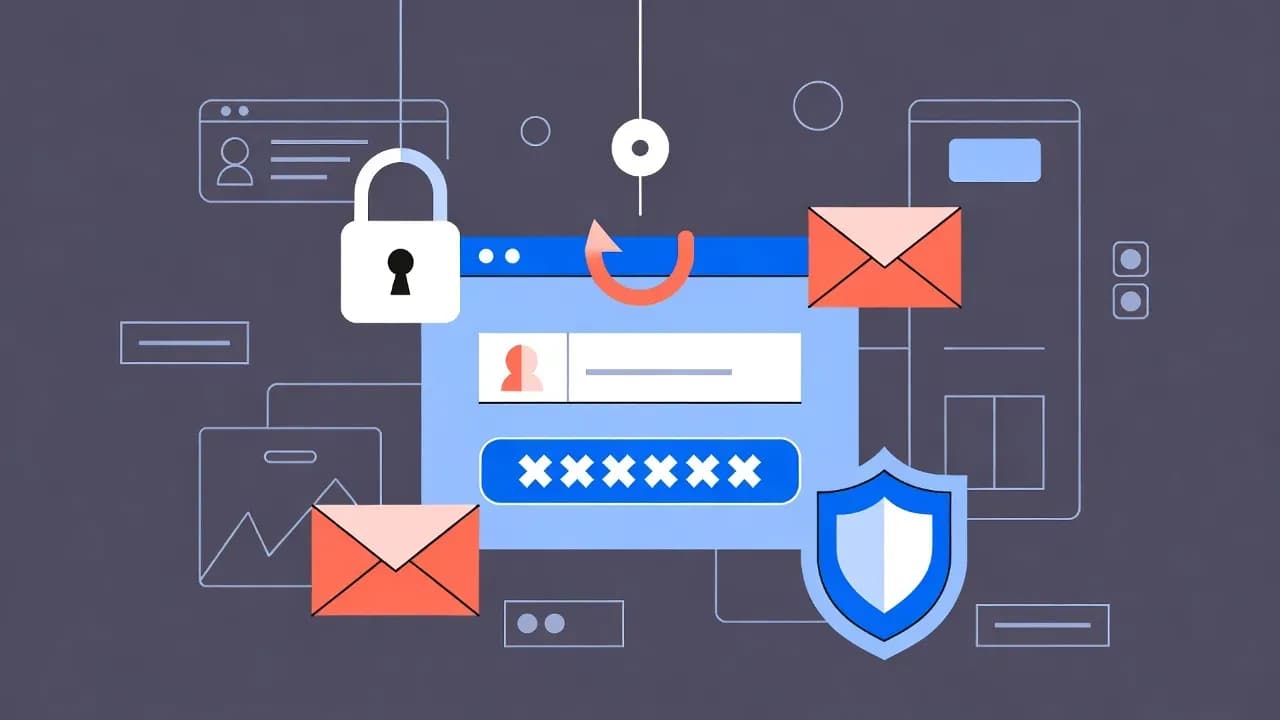
What Is Phishing and How These Attacks Work
Phishing remains one of the most common and effective cyberattack techniques worldwide. By impersonating trusted entities, attackers manipulate users into revealing credentials, financial data, or sensitive information. This explanation outlines what phishing is, how these attacks operate, the main variants in use today, and why phishing continues to bypass technical security controls across organizations.

What Is Phishing?
Phishing is a social engineering attack that aims to deceive individuals into disclosing sensitive information or performing harmful actions. Attackers typically impersonate legitimate organizations, services, or contacts to gain trust and manipulate victims.
Phishing attacks are commonly delivered via email, text messages, phone calls, or malicious websites. They target individuals, businesses, and public institutions, making phishing one of the most widespread cyber threats globally.
How Phishing Attacks Work
Phishing relies on deception rather than technical exploitation. The success of an attack depends on convincing the target that the message or request is legitimate.
Impersonation and Trust Abuse
Attackers pose as trusted entities such as service providers, financial institutions, employers, or government agencies. Messages are crafted to appear authentic, often using familiar branding, language, and formatting.
Urgency and Manipulation
Phishing messages frequently create a sense of urgency. Victims may be warned of account suspension, security incidents, or payment issues. This pressure is designed to prompt quick action without verification.
Malicious Actions
Once trust is established, the victim is prompted to:
- Click a malicious link
- Download a harmful attachment
- Enter credentials on a fake website
- Share sensitive or financial information
These actions enable attackers to steal data, gain access to systems, or deploy further attacks.
Common Types of Phishing
Phishing attacks take multiple forms, each adapted to different targets and communication channels.
Email Phishing
Email phishing is the most common variant. Attackers send mass emails designed to appear legitimate. These messages often include links to fake login pages or malicious attachments.
Spear Phishing
Spear phishing targets specific individuals or organizations. Messages are personalized using information gathered from public sources, previous breaches, or social media. This increases credibility and success rates.
Smishing and Vishing
Smishing uses text messages, while vishing relies on voice calls. Both methods exploit trust in mobile communications and often impersonate banks, service providers, or support teams.
Clone Phishing
In clone phishing, attackers copy a legitimate email previously received by the victim and replace links or attachments with malicious versions. The familiarity of the message increases the likelihood of interaction.
What Are the Risks of Phishing?
Phishing attacks can lead to serious consequences, including:
- Credential theft and account takeover
- Financial fraud and unauthorized transactions
- Data breaches and exposure of sensitive information
- Malware infections and ransomware deployment
- Reputational and regulatory impact for organizations
Because phishing targets users directly, traditional perimeter defenses alone cannot fully prevent these risks.
Why Phishing Is Still Effective
Despite increased awareness, phishing remains effective due to its adaptability and reliance on human behavior. Attackers continuously refine techniques to bypass technical controls and security training.
The widespread use of cloud services, remote work, and digital identity systems has expanded the attack surface. Compromised credentials often provide attackers with legitimate access, making detection more difficult.
How Organizations Reduce Phishing Risk
Reducing phishing risk requires a layered approach. Key measures include:
- User awareness and training programs
- Email and messaging security controls
- Multi-factor authentication for critical systems
- Continuous monitoring and incident response
- Clear reporting mechanisms for suspicious messages
No single control can eliminate phishing entirely, but combined defenses significantly reduce impact.
Why Phishing Matters for Modern Security
Phishing is often the first step in larger cyber incidents. It enables attackers to bypass technical safeguards and gain initial access. Understanding how phishing works is essential for building effective security strategies and protecting digital identities across modern IT environments.
Frequently Asked Questions
Phishing is a social engineering technique used to deceive individuals into revealing sensitive information, such as login credentials or financial data, by impersonating trusted entities through digital communications.
Common signs include unexpected requests for personal information, urgent language, suspicious links or attachments, and sender addresses that do not match the claimed organization.
Phishing targets a broad audience with generic messages, while spear phishing is highly targeted and personalized, often using information about a specific individual or organization.
Yes. Phishing is frequently used to steal credentials or gain initial access to systems, which can result in unauthorized access, data theft, or broader security incidents.

Comments
Want to join the discussion?
Create an account to unlock exclusive member content, save your favorite articles, and join our community of IT professionals.
New here? Create a free account to get started.