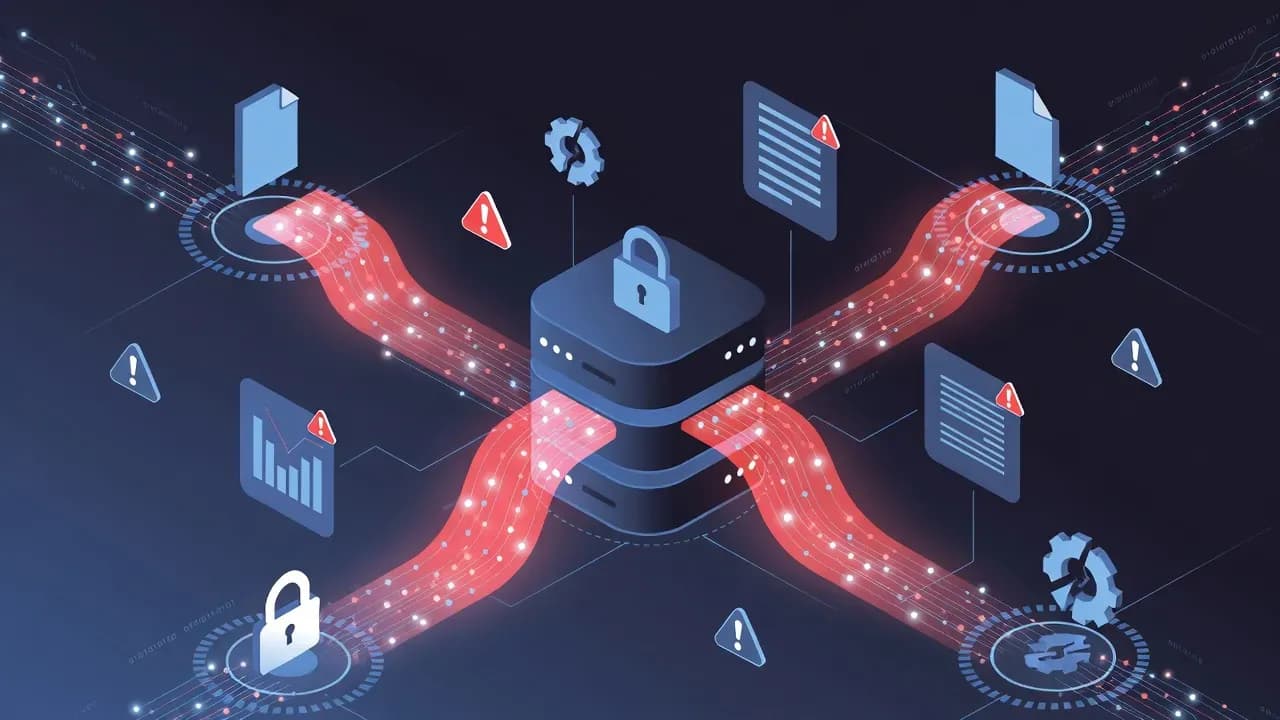
Gulshan Management Services data breach exposes SSNs and card data for 377,082 people
Gulshan Management Services, a New York-based accounts receivable and debt collection company, has confirmed a significant data breach affecting 377,082 individuals across the United States. The breach, discovered on December 4, 2024, exposed highly sensitive personal and financial information including Social Security numbers and payment card data.

Individuals affected by the data breach
Time between breach discovery and public disclosure
Opening: Debt Collector Breach Exposes Sensitive Financial Data
Gulshan Management Services, a New York-based accounts receivable and debt collection company, has confirmed a significant data breach affecting 377,082 individuals across the United States. The breach, discovered on December 4, 2024, exposed highly sensitive personal and financial information including Social Security numbers and payment card data.
The company filed official breach notifications with attorneys general in Maine, Massachusetts, Texas, and Vermont on January 9, 2026, revealing the full scope of the incident more than a year after its initial discovery.
What Happened: The Technical Breakdown
According to the breach notification filed with the Maine Attorney General, Gulshan Management Services detected suspicious activity in its computer network on December 4, 2024. The company immediately initiated an investigation with the assistance of third-party cybersecurity specialists.
Date suspicious network activity was first detected
The investigation determined that an unauthorized actor gained access to the company's systems and acquired files containing sensitive consumer information. The exact method of intrusion has not been disclosed, though the company confirmed that no evidence of misuse of the compromised data has been identified to date.
The incident was reported to the FBI as part of standard breach response protocols.
Data Exposed: The Full Scope
The breach compromised a wide range of personally identifiable information (PII) and financial data:
- Full names
- Social Security numbers (SSNs)
- Driver's license numbers
- State identification numbers
- Financial account information
- Payment card numbers with security codes (CVVs)
- Medical information
- Health insurance details
The combination of SSNs, payment card data with CVVs, and medical information creates a particularly dangerous dataset for potential identity theft, financial fraud, and medical identity theft. Unlike standalone credential breaches, this type of exposure enables attackers to impersonate victims across financial, medical, and government systems simultaneously.
Attack Chain Analysis
While Gulshan has not disclosed the specific attack vector, the nature of the breach—network intrusion leading to file exfiltration—suggests several possible scenarios:
- Phishing campaign targeting employees with access to sensitive databases
- Exploitation of unpatched vulnerabilities in network infrastructure
- Compromised credentials obtained through credential stuffing or previous breaches
- Supply chain compromise through a third-party vendor
States where official breach notifications were filed (Maine, Massachusetts, Texas, Vermont)
The 14-month delay between breach discovery and public notification raises questions about the complexity of the investigation or potential regulatory considerations. While technically within the legal notification windows of most states, extended timelines reduce the window for affected individuals to take protective action before their data can be monetized.
Response and Remediation Steps
Gulshan Management Services has implemented several measures in response to the breach:
Immediate Actions
- Engaged third-party cybersecurity firm for forensic investigation
- Reported incident to FBI
- Secured affected systems and networks
- Filed breach notifications with multiple state attorneys general
Affected Individual Support
Complimentary credit monitoring offered through Cyberscout
- Identity theft protection services
- Dedicated call center: 1-833-918-3853 (Monday-Friday, 8 AM - 8 PM ET)
- Written notification letters sent to all affected individuals
For affected individuals, the recommended immediate actions include:
- Enroll in the free credit monitoring service
- Place fraud alerts on credit files with all three major bureaus
- Consider a credit freeze if not actively seeking new credit
- Monitor financial statements and explanation of benefits (EOB) documents for unauthorized activity
- Be alert for phishing attempts that reference the breach or Gulshan by name
Lessons for Organizations
This breach highlights several critical security considerations for organizations handling sensitive financial data:
Data Minimization
Debt collection agencies often maintain extensive consumer records. Implementing data retention policies that limit the storage of sensitive information can reduce breach impact. Organizations should regularly audit what data they hold and delete records that are no longer required for business or regulatory purposes.
Network Segmentation
Separating databases containing SSNs, payment cards, and medical information from general network access can limit the scope of potential breaches. Zero-trust architecture principles should be applied to internal data flows, not just perimeter defenses.
Encryption at Rest
Ensuring all sensitive data is encrypted at rest renders exfiltrated files useless without decryption keys. Modern key management practices should separate key storage from encrypted data storage.
Timely Disclosure
Closing
The Gulshan Management Services breach is a reminder that organizations handling sensitive financial data remain high-value targets regardless of their public profile. Debt collection agencies in particular aggregate exactly the type of comprehensive PII that enables sophisticated identity fraud. For security teams, this incident reinforces the importance of data minimization, network segmentation, and encryption at rest—controls that limit blast radius when perimeter defenses fail. For affected individuals, the most effective response is immediate enrollment in credit monitoring, fraud alerts, and sustained vigilance for the phishing and social engineering campaigns that typically follow breaches of this nature.
Frequently Asked Questions
The breach exposed names, Social Security numbers, driver's license numbers, financial account information, payment card numbers with security codes, medical information, and health insurance details.
Gulshan Management Services is sending written notification letters to all 377,082 affected individuals. If you've had dealings with debt collection agencies, monitor your mail for official correspondence from Gulshan or their notification partner.
Enroll in the free 24-month credit monitoring service offered through Cyberscout, place fraud alerts on your credit files, monitor your financial statements closely, and consider a credit freeze with all three major bureaus.
Gulshan states there is no current evidence of data misuse. However, given the sensitive nature of the exposed information, affected individuals should remain vigilant and monitor their accounts.
Related Incidents
View All High
HighBreachForums Database Leak Exposes 324,000 Accounts and Reignites Honeypot Fears
BreachForums, one of the most influential hubs for trading stolen data and criminal services, has now become the victim...
 High
HighInstagram Data Leak Reportedly Exposes 17.5 Million Accounts as Attackers Pivot to Password Reset Abuse
A reported Instagram data leak is being treated by threat analysts as a "high leverage" exposure: not because passwords...
 High
HighBlack Axe Arrests in Spain: 34 Suspects Tied to Long-Running BEC and Man-in-the-Middle Fraud Network
Black Axe arrests in Spain are a timely reminder that the most expensive cyber incidents do not always begin with ransom...
Comments
Want to join the discussion?
Create an account to unlock exclusive member content, save your favorite articles, and join our community of IT professionals.
New here? Create a free account to get started.