

5 of 50 explainers tagged “Networking”
More 154

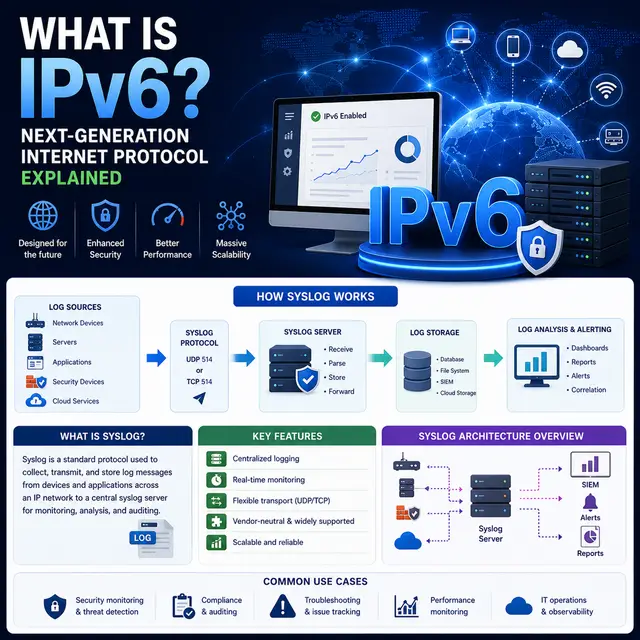
What Is IPv6? Next-Generation Internet Protocol Explained
IPv6 uses 128-bit addresses to replace IPv4's exhausted 32-bit address space. Covers address format, SLAAC, dual-stack, transition mechanisms, and why IT admins need to plan for IPv6 adoption now. Per Google, IPv6 adoption exceeds 45% globally.
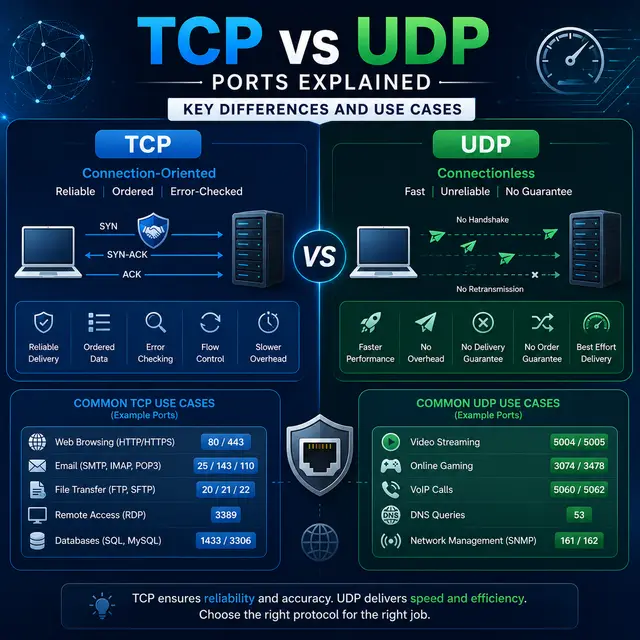
TCP vs UDP Ports Explained: Key Differences and Use Cases
TCP and UDP are the two transport protocols that move data across networks using port numbers. This explainer breaks down how each works, their key differences, common ports, and when to choose one over the other.

What Is a Router? Definition, How It Works, and Key Use Cases
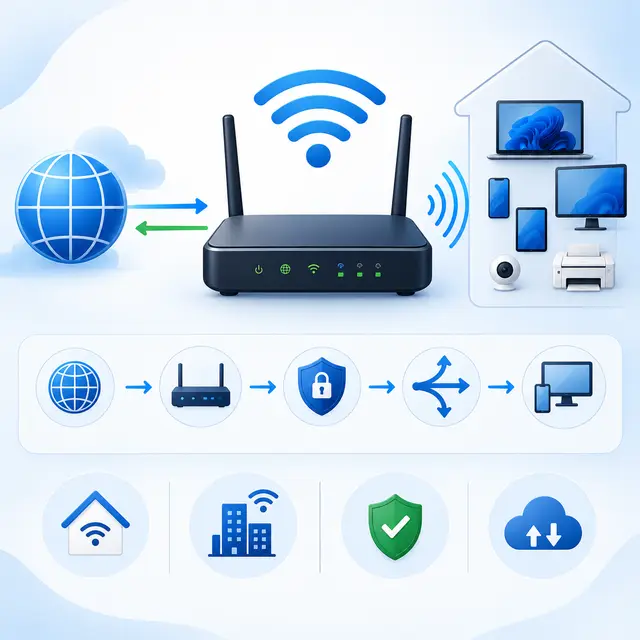
A router is a network device that forwards data packets between networks based on IP addresses. This guide explains how routers work, the protocols they rely on, and where they're used.

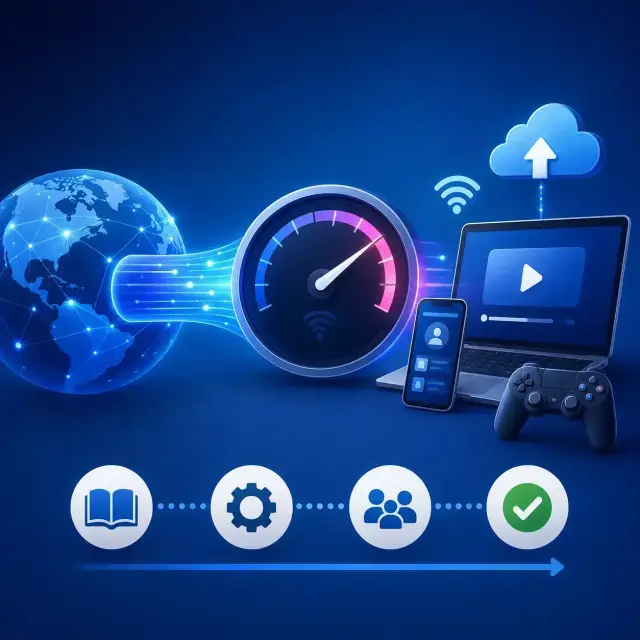
What is Bandwidth? Definition, How It Works & Use Cases
Bandwidth is the maximum data capacity of a connection, measured in bits per second - not its speed. Learn how it works, how it differs from throughput and latency, and the bits-vs-bytes trap.

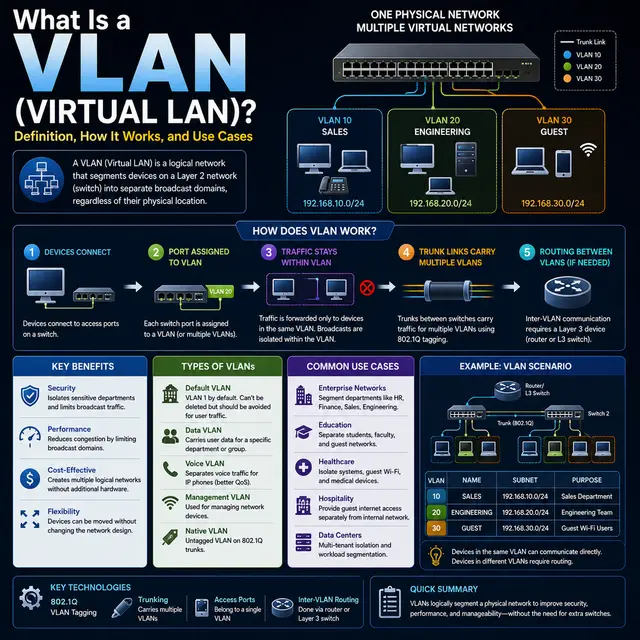
What Is a VLAN (Virtual LAN)? Definition, How It Works, and Use Cases
A VLAN (Virtual LAN) is a logical grouping of devices into separate broadcast domains on shared physical switch infrastructure, using IEEE 802.1Q tagging. This explainer covers how VLANs work, access vs trunk ports, inter-VLAN routing, security limits, and how VLANs differ from subnets and VXLAN.